
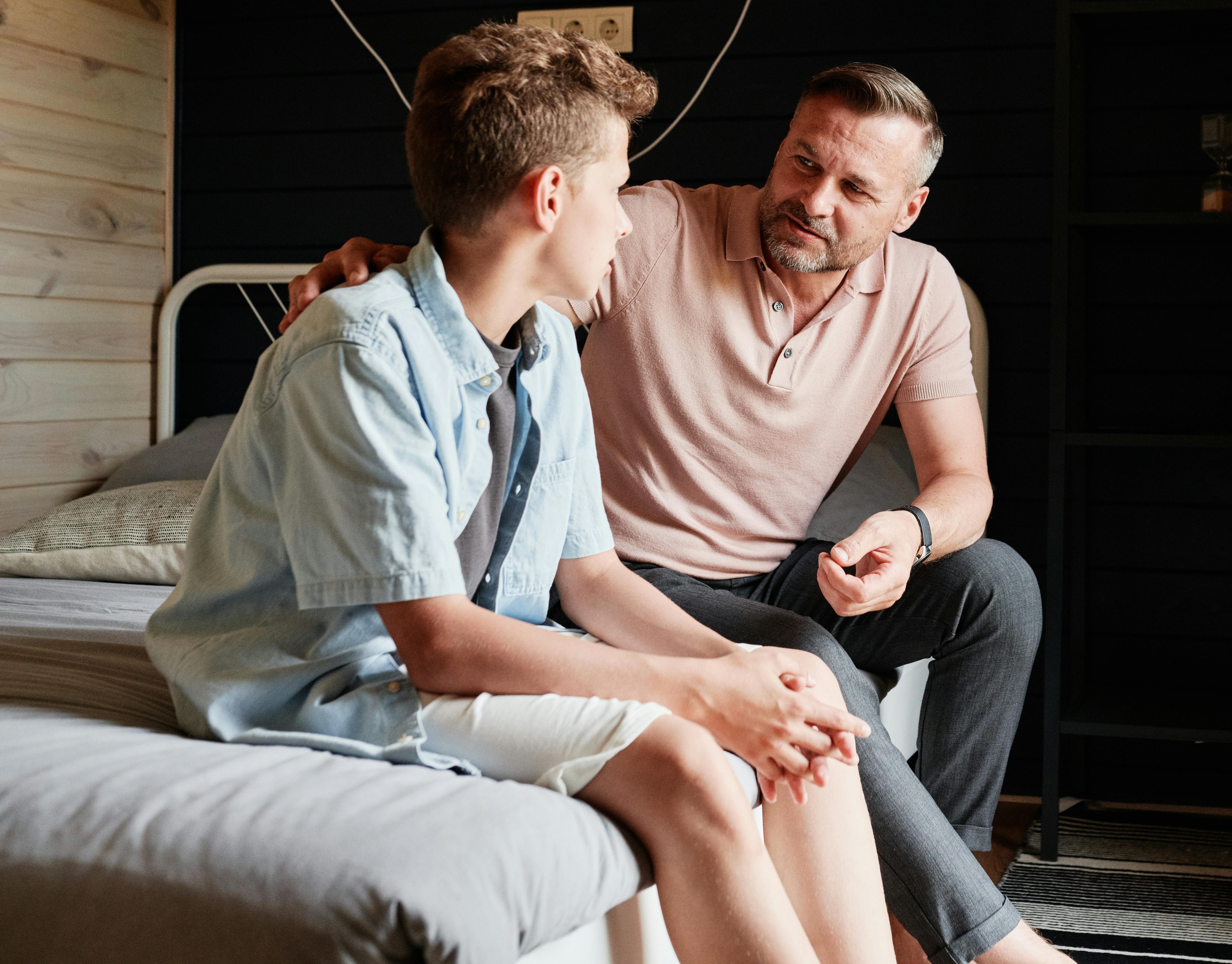
As a parent or caregiver, it can be worrying to see your child or teen struggling and not know how to help. Mental health challenges can show up in many ways—and it’s not always easy to tell what’s typical and what might need more attention.
Just as you would care for your child’s physical health, it’s important to notice changes in their emotions, behavior, or well-being and trust your instincts when something feels off. If your child is experiencing sadness, stress, anxiety, or thoughts of harming themselves or others, know that you’re not alone—and support is available here in Maine.
When children’s mental health is nurtured, they are better able to feel safe, build strong connections, and thrive both at home and at school. During Mental Health Awareness Month—and all year long—it’s important to remember that support is available. Read on to learn more about children’s mental health and explore resources provided by the State of Maine.
Sometimes, children and teens need professional help—and there’s no shame in reaching out as a parent.
Spurwink is here for you and your family. As a provider of behavioral health and education services for children and adults in Maine, we go the distance—walking every step of the way with individuals and families impacted by mental health challenges and developmental disabilities. Connect with us to learn more.
Pay Attention to Your Child’s Mental Health
Is a child in your care just having a bad day or are they experiencing a serious mental health concern? Sometimes, it can be difficult to know the answer. Here is a checklist of warning signs to look out for, so you can be prepared to get help if needed.
Does your child…
- Feel very sad, hopeless, or withdrawn for more than two weeks?
- Feel excessively angry?
- Avoid people and want to be alone all the time?
- Talk about self-harming or suicide or try to self-harm?
- Experience sudden, overwhelming fear, sometimes with a racing heart or rapid breathing?
- Get in frequent fights or want to harm others, hurt animals, or damage property?
- Show severe out-of-control behaviors that can hurt them or others or causes problems at school?
- Refuse to eat, frequently throw up, or use laxatives to lose weight?
- Have intense worries or fears that get in the way of daily activities?
- Use drugs or alcohol?
- Hear voices or see things that aren’t there?
- Have trouble concentrating, sitting still, or paying attention?
- Need to wash, clean things, or perform certain rituals many times a day?
- Have severe mood swings that cause problems in relationships?
- Show drastic changes in behavior or personality?
- Lose interest in friends or activities they used to enjoy?
- Experience drastic changes in school performance or attendance?
If any of these are true for your child or teen, it’s a good idea to seek support. Remember, this isn’t a comprehensive list—there are many different ways in which mental health issues can manifest, impacting everything from your child’s behavior to their physical well-being. If you have concerns or aren’t sure, talk to a health care professional.
Get Mental Health Support for Youth: Tips and Resources
Help is available in Maine through several different means. Here are some of the best ways to get support for your child or teen’s mental health.
- If your child or teen is experiencing a mental health crisis, your family can receive services by calling, texting, or chatting with the Maine Crisis Line (1-888-568-1112 or 988).
- Talk to your child’s doctor, school nurse, or other health care provider to voice your concerns. You can ask their primary care physician to rule out medical issues and help determine if they need further evaluation by a behavioral health specialist.
- Take the Parent Test, provided by Mental Health America, to screen your child’s mental health.
- If your child is age 11 to 17, they can take the Youth Mental Health Test screening.
- Work with a care coordinator (targeted case manager or behavioral health home coordinator). These behavioral health professionals can assist in making appropriate referrals to get your child the support they need.
- See more resources provided by Maine’s Department of Health and Human Services, including printable guides; steps for parents, teachers, and doctors; and links to helpful information.
- Contact Spurwink to get in touch with our outpatient and community services, education services, and residential services for youth.
It’s always a good idea to encourage the child in your care to voice their concerns and talk about their feelings—even when their mental health isn’t a concern. Be a role model by talking about your own feelings, apologizing when you do something wrong, and avoiding expressing anger with violence. You can be open about your own mental health or experiences with therapy and treatment, while also demonstrating active problem-solving skills.
Reaching out to behavioral health care services to get help isn’t a sign that you’ve done something wrong—it’s part of sharing care and support. If a child is struggling, the best thing you can do for them is to get them the extra help and support they need.
