

Art therapy is a type of behavioral health treatment that uses creative expression as a healing tool. It involves encouraging clients to express themselves through art and helping them gain insight into their feelings, deepen their sense of identity, and improve emotional regulation.
Individuals engaging in art therapy can create art without concern for traditional techniques, forms, or conventions—art therapy is a judgment-free experience. It’s a space where clients don’t need to have the right words or know how to begin expressing themselves.
At Spurwink, art is integrated into many of our programs and the behavioral health services we provide to adults, children, and families in Maine. We also and celebrate the Arts in Health work being done by the Maine Arts Commission and other peer organizations.
Read on to learn more about art therapy and the collaborative art project created by individuals Spurwink serves alongside staff in summer 2026.
How Art Therapy Works
Art is a powerful tool for healing, emotional regulation, and personal growth. One reason why it works is because it provides an avenue for non-verbal expression. Art is often a more effective means of communication for clients who may struggle to verbalize trauma, grief, anxiety, depression, and other challenges.
Types of art that clinicians may utilize in a therapy setting include:
- Painting
- Drawing
- Clay work
- Writing
- Music
- Drama
- Collaborative Projects
A typical art therapy session begins with a therapist giving the client a prompt. The client then creates art by their medium of choice. Afterwards, the therapist and client can analyze both the client’s artistic process and the piece they created to identify themes, patterns, and other helpful insights.
Deepened Sense of Self and Connection with Others
Art deepens people’s sense of self and enables them to seek a deeper understanding of their identities. It also works in part by focusing the mind on creative expression and distracting it from intrusive, obsessive, or troubling thought patterns.
Often, art also gives people a chance to practice engaging in a non-judgmental social space, like a club or crafting group. It can help individuals build emotional regulation, self-awareness, resilience, and stronger connections with others. It can even lead to great opportunities like showcases or submitting pieces for publication, helping boost self-esteem.
Is Art Therapy Effective?
According to a 2024 study that examined the use of art therapy within mental health treatment programs, clinicians consistently viewed art therapy as a valuable therapeutic intervention. And rightfully so—as the evidence points towards art therapy’s effectiveness.
Researchers identified improvements in well-being, emotional regulation, self-awareness, and the ability to process difficult experiences through nonverbal expression. They also found that art therapy creates safe, nonjudgmental spaces where participants can explore their emotions, build self-confidence, strengthen their sense of identity, and develop deeper connections with others.
A 2022 study found that art therapy is effective alongside other types of mental health treatments. This and other studies suggest that individuals benefit most from art therapy when they also engage in other types of therapies. Art therapy can bring positive outcomes for individuals with mood disorders, anxiety, and psychological or emotional trauma.
Expressive arts interventions can be especially effective for individuals with trauma histories, veterans, children, and families. Research also shows that art therapy, when combined with psychotherapy or cognitive behavioral therapy (CBT), helps individuals with Alzheimer’s, autism, and schizophrenia.
Challenges
Some challenges mental health professionals may face when using art therapy with clients include:
- Ensuring activities are safe—mentally, emotionally, and physically
- Matching artistic expression to their clients’ needs
- Lack of funding, resources, and space
Art at Spurwink
Art is deeply embedded throughout Spurwink’s programs. Our staff consistently see how incorporating art into treatment supports meaningful outcomes for individuals Spurwink serves.
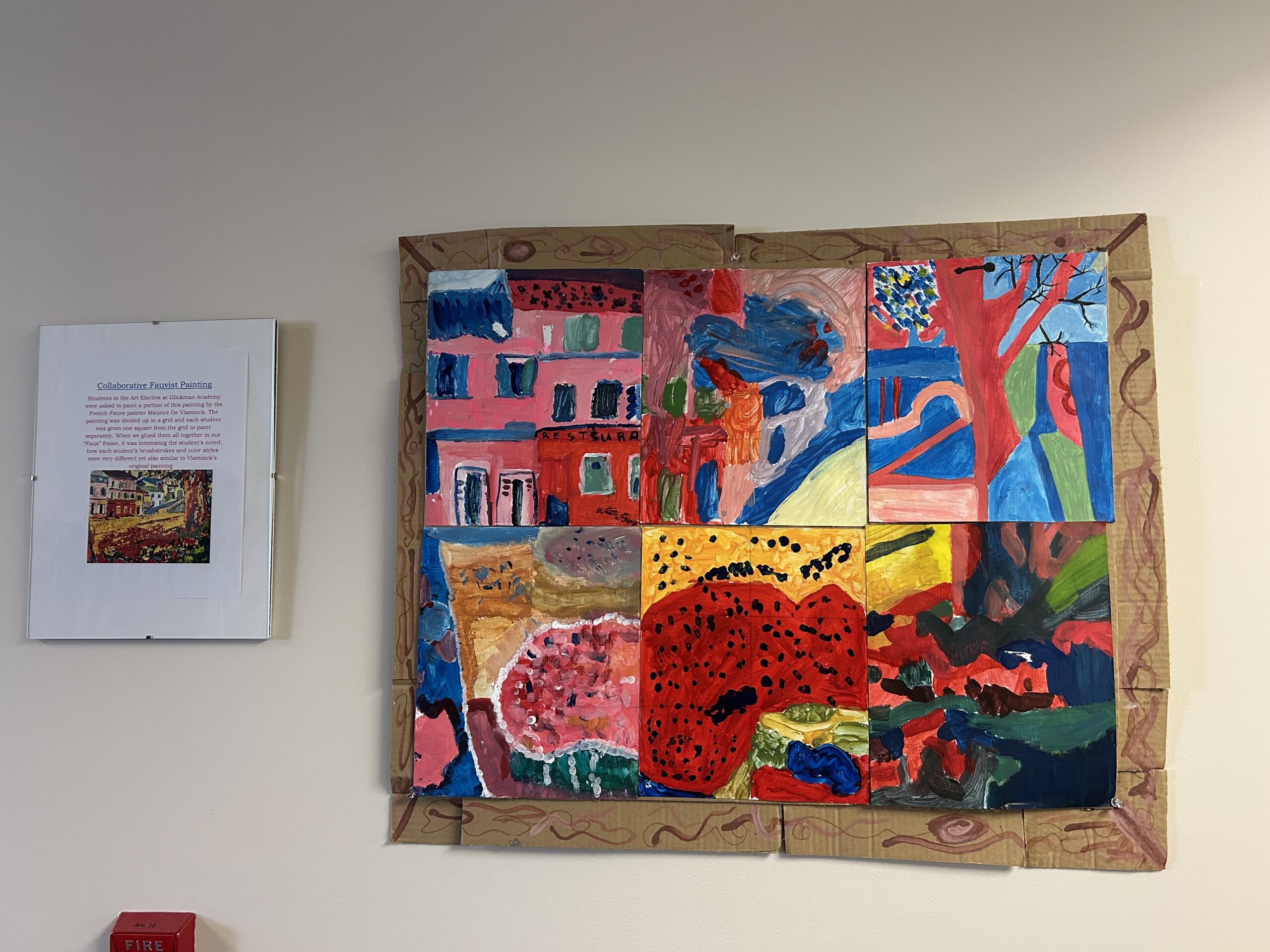
Spurwink clinicians and program staff use drawing, painting, clay, jewelry making, collage, music, drama, poetry, and play-based activities to support emotional growth and healing.
Within the Assertive Community Treatment (ACT) program, for instance, adults participate in both individual and collaborative art projects that foster community, reduce isolation, and provide a safe outlet for managing trauma and stress.
In individual and family therapy, art interventions help clients explore identity, grief, anxiety, boundaries, relationships, and personal strengths through nonverbal expression.
The research supporting art therapy closely mirrors the experiences of Spurwink clinicians, who report that art helps clients process trauma, build community, regulate emotions, and express thoughts and feelings that may be difficult to communicate through traditional talk therapy alone.
Spurwink also supports and celebrates the Arts in Health work being done by the Maine Arts Commission and other peer organizations.
Pieces of Us Art Project
Titled “Pieces of Us,” this collaborative art installation was created by individuals Spurwink serves and staff in partnership with Spurwink’s Summer 2026 Outpatient & Community Services interns.
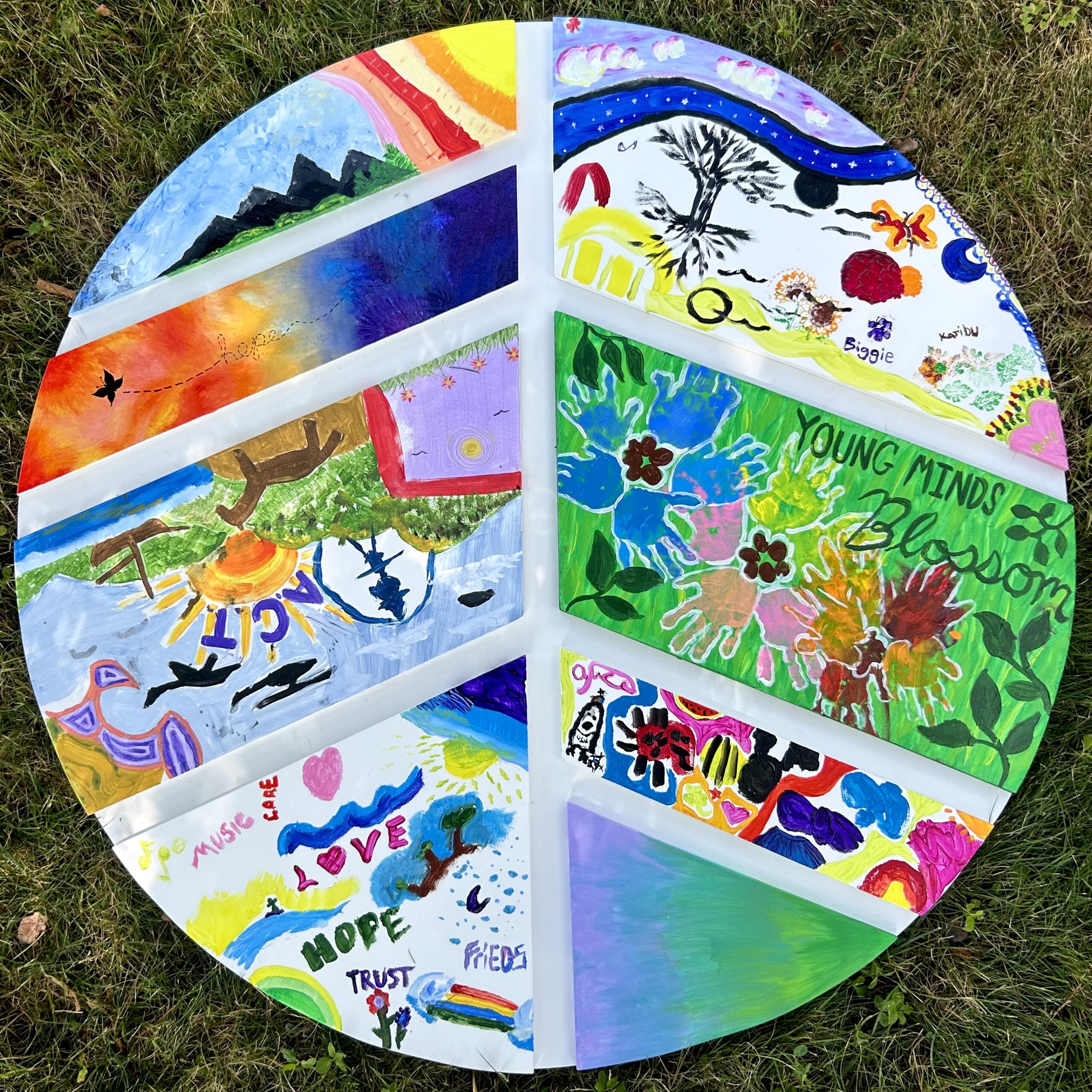
The artwork is composed of eight individual pieces, each representing a different Spurwink program. These pieces are joined together to make the Spurwink logo and symbolize community, support, growth, and connection.
Together, these pieces honor Spurwink’s journey from a single group home serving eight boys to a diverse network of services supporting children, adults, and families across Maine.
